Our Foundation Repair Services in Fort Worth
Hover or tap a service below to see how we handle it, then click through for the full details.
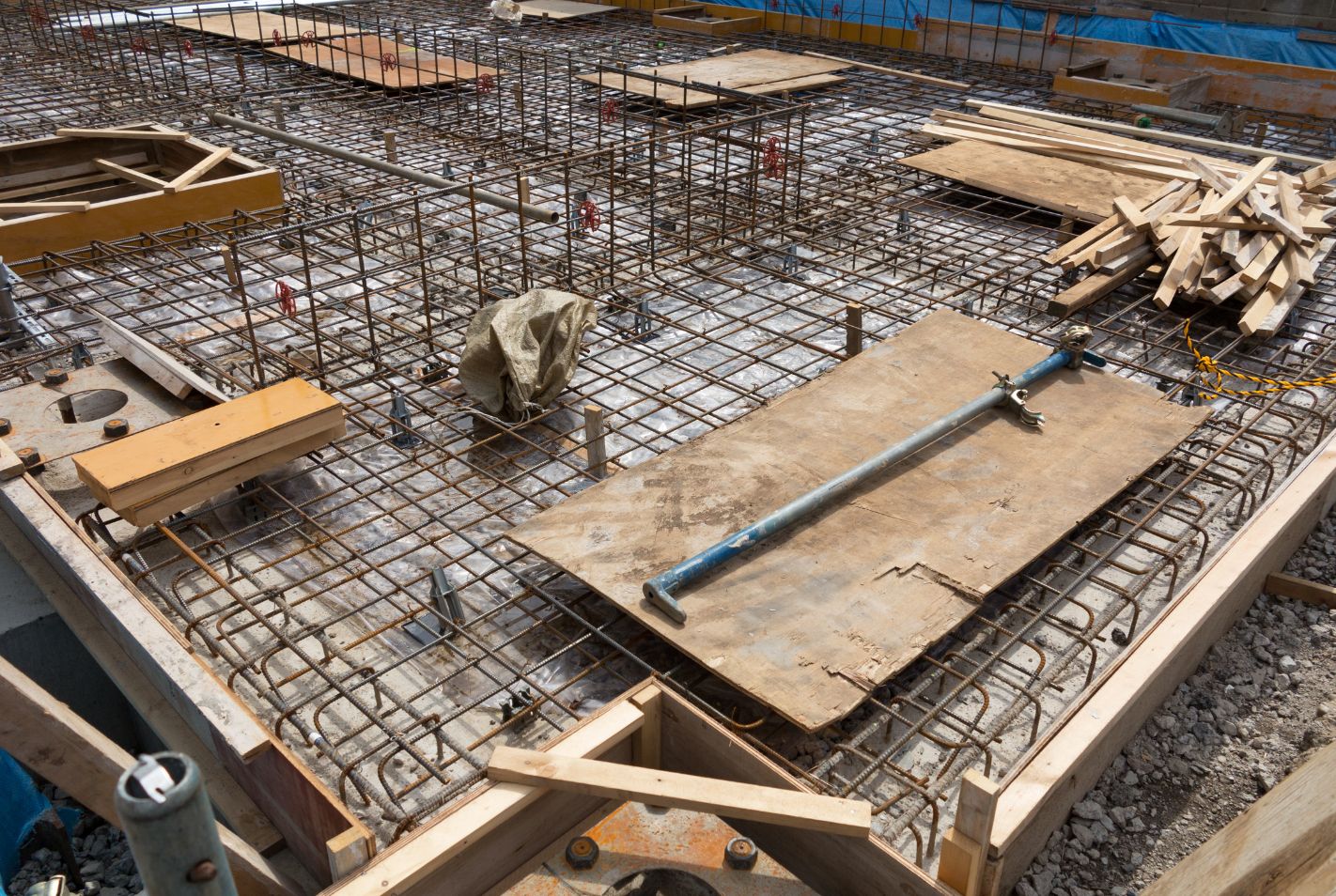
Slab Foundation Repair in Fort Worth
Pier systems to stabilize and lift a settling slab foundation.
- Signs Your Slab Foundation Is Settling — Diagonal cracks at door and window corners, doors that stick or won't close properly, visibly sloping floors, gaps between the slab and brick veneer, and cracks in exterior brick or stucco that step in a stair pattern are the most common indicators.
- Choosing the Right Pier System — Steel push piers are driven to load-bearing strata and work well for heavier structures.
- What Happens During a Slab Foundation Inspection — We start every slab inspection with a relative elevation survey, using a zip level or laser level to map high and low points across the entire slab rather than eyeballing the parts that look obviously off.
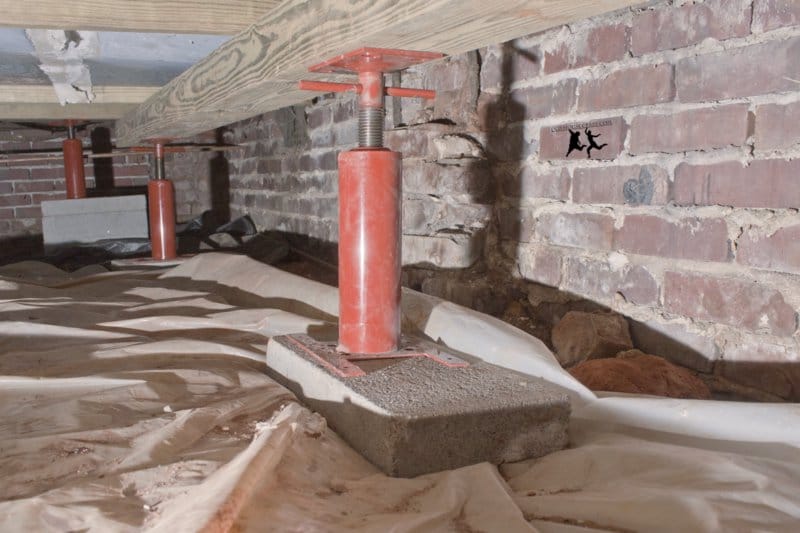
Pier and Beam Foundation Repair in Fort Worth
Repair for the raised wood foundations common in Fort Worth's older neighborhoods.
- Common in Fort Worth's Older Neighborhoods — Homes built before slab construction became standard, particularly in and around the TCU district, Fairmount, and Arlington Heights, are more likely to have pier and beam foundations.
- Crawl Space Moisture and Wood Rot — A pier and beam crawl space with poor ventilation or drainage tends to hold moisture, and sustained moisture exposure leads to wood rot in the beams and floor joists over time.
- How We Repair Piers and Beams Step by Step — Repair starts with getting under the house — a full crawl space walk-through with a flashlight and a probe for soft or rotted wood, checking every original pier and beam segment rather than just the area under the worst-sagging floor.
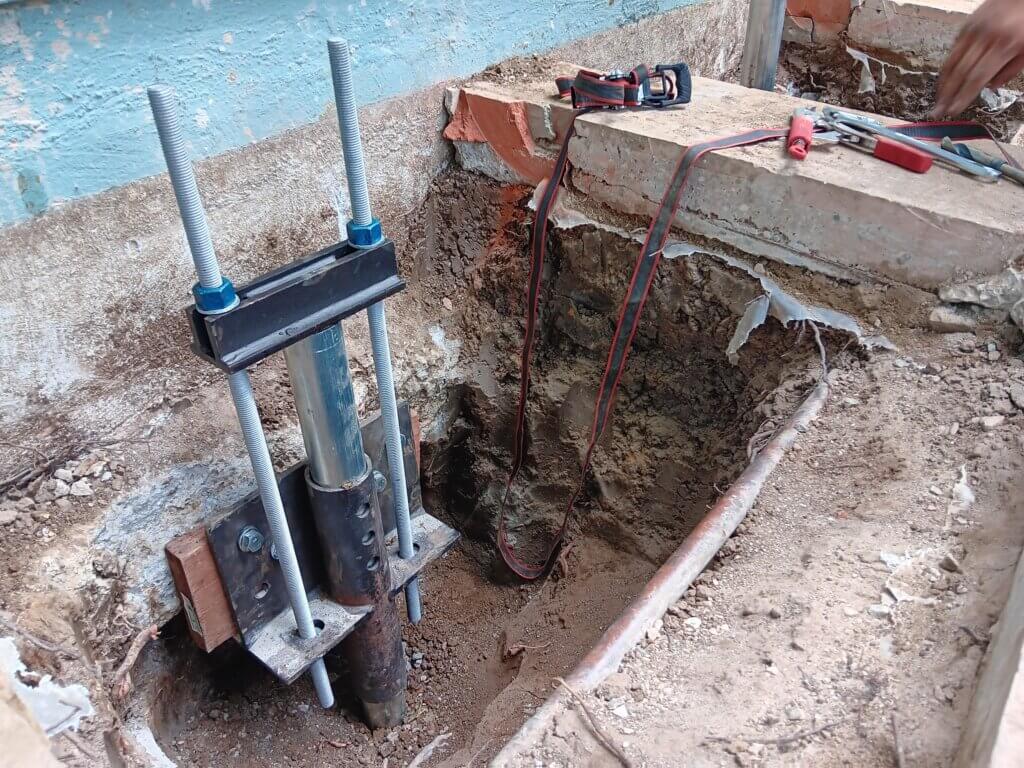
Steel Push Piers in Fort Worth
Deep foundation piers driven to load-bearing strata for heavier structures.
- How Push Piers Confirm Their Own Bearing Capacity — Because push piers are driven using the structure's own weight as resistance, the installation process itself demonstrates that the pier has reached soil capable of bearing that load — a built-in verification that other pier types don't offer in the same direct way.
- How Deep Push Piers Typically Go in Fort Worth Soil — Bearing depth varies more across the Fort Worth area than most homeowners expect, because the depth to stable soil or rock depends on local geology, not just how bad the visible settlement looks.
- Pier Materials and Corrosion Protection — Push pier systems use galvanized or epoxy-coated steel pipe sections, connected with pin or coupler joints as each section is driven deeper, with pipe diameter and wall thickness selected based on the structural load the pier needs to carry.
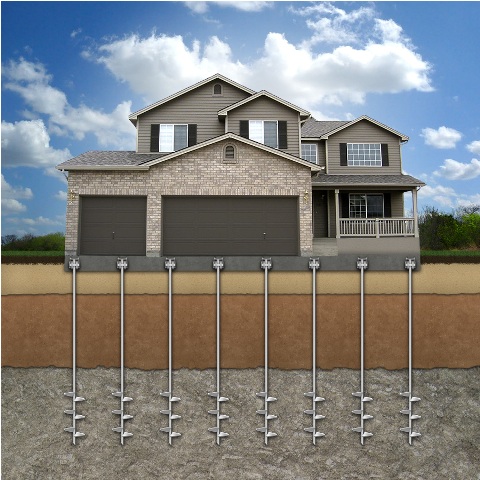
Helical Piers in Fort Worth
Screw-in piers ideal for lighter structures and vibration-sensitive installations.
- When Helical Piers Make Sense — Lighter structures, additions, porches, and situations where vibration near an existing foundation is a concern are all good fits for helical piers.
- How Helical Pier Installation Works — Installation uses hydraulic torque motors to screw the pier into the soil, section by section, with additional lengths coupled on as the pier advances to the required depth.
- Pier Configurations and Helix Sizing — Helical piers come with one or more helical plates welded along the shaft, and the number, size, and spacing of those plates is selected based on the soil conditions and load the pier needs to carry — more or larger plates spread load across more soil, which matters in variable clay layers common around Fort Worth.
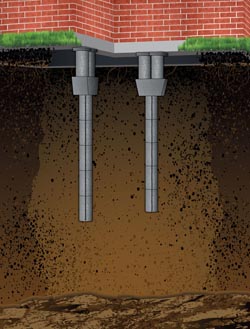
Concrete Pressed Piers in Fort Worth
A cost-effective pier option for certain soil conditions and lighter loads.
- Cost vs. Steel Piers — Concrete pressed piers generally cost less per pier than steel systems but often require more piers total to distribute the same structural load, so the total project cost difference is sometimes smaller than the per-pier price difference suggests.
- How Concrete Pressed Pier Installation Works — Installation starts the same way as steel push piers — excavating access at each pier location around the foundation perimeter — but instead of driving a continuous steel pipe, precast concrete cylinder sections are stacked on top of each other and pressed into the soil using hydraulic jacks braced against the structure's own weight.
- Precast Concrete Pier Specifications — Concrete pressed piers are manufactured from steel-reinforced concrete, precast to a consistent diameter and length so each section presses evenly and interlocks securely with the sections above and below it.
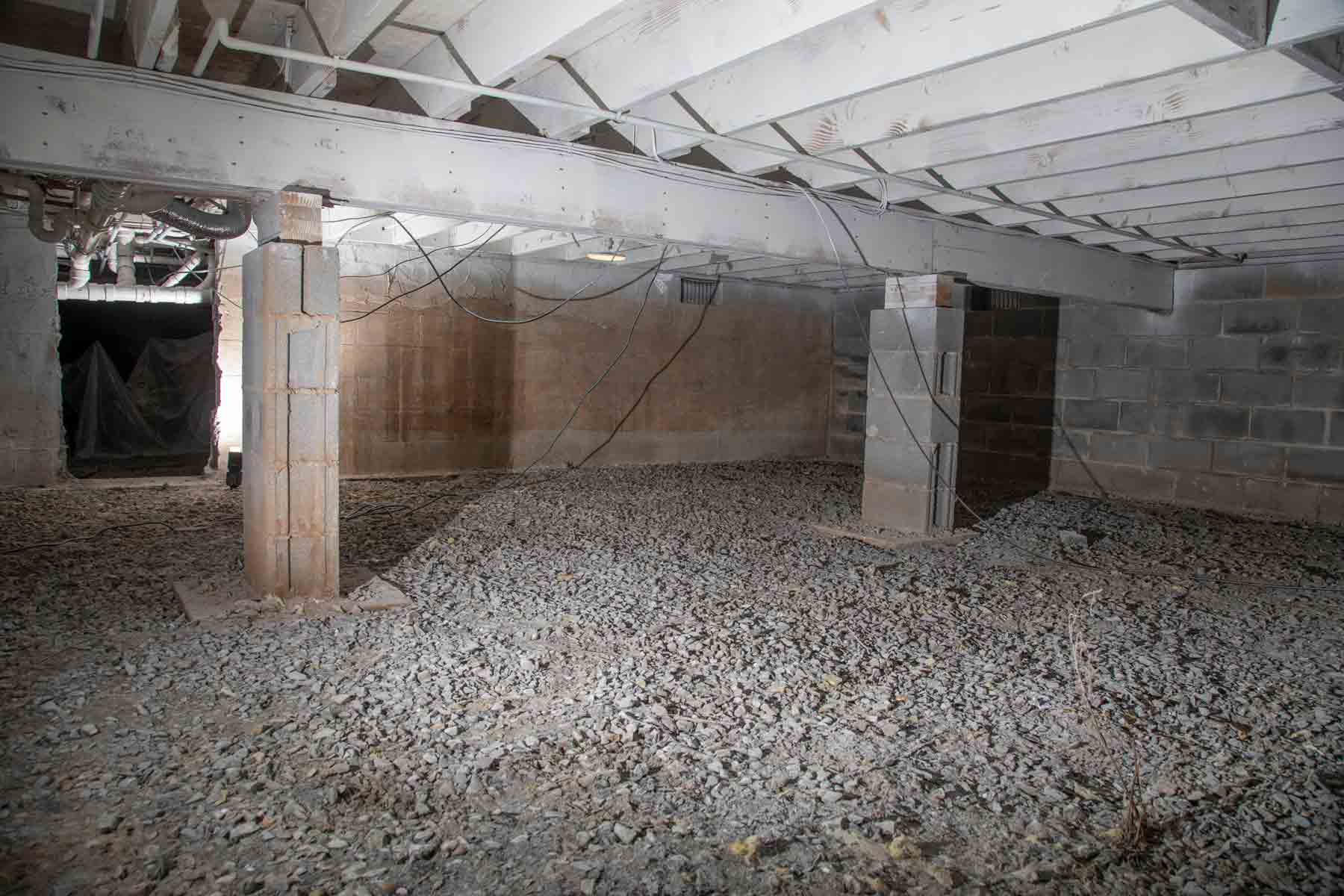
Foundation Leveling in Fort Worth
Correcting sloping floors and uneven settling to restore a level foundation.
- How Much Lift Is Actually Needed — We base lift targets on elevation surveys and structural assessment, not a blanket goal of dead-level everywhere.
- How the Releveling Process Works — Releveling starts with the same elevation survey used in any foundation assessment — mapping high and low points across the slab or pier and beam system to build an accurate picture of exactly how the structure has moved.
- Tools and Techniques Behind the Lift — On slab foundations, hydraulic jacks connected to the piers themselves provide the lifting force, with the pier's bearing capacity supporting the new elevation once the lift is complete and the jack is released.