πŸ“ž Call for a Free Quote: 888-619-6082

Drainage & French Drain Installation in Fort Worth, TX

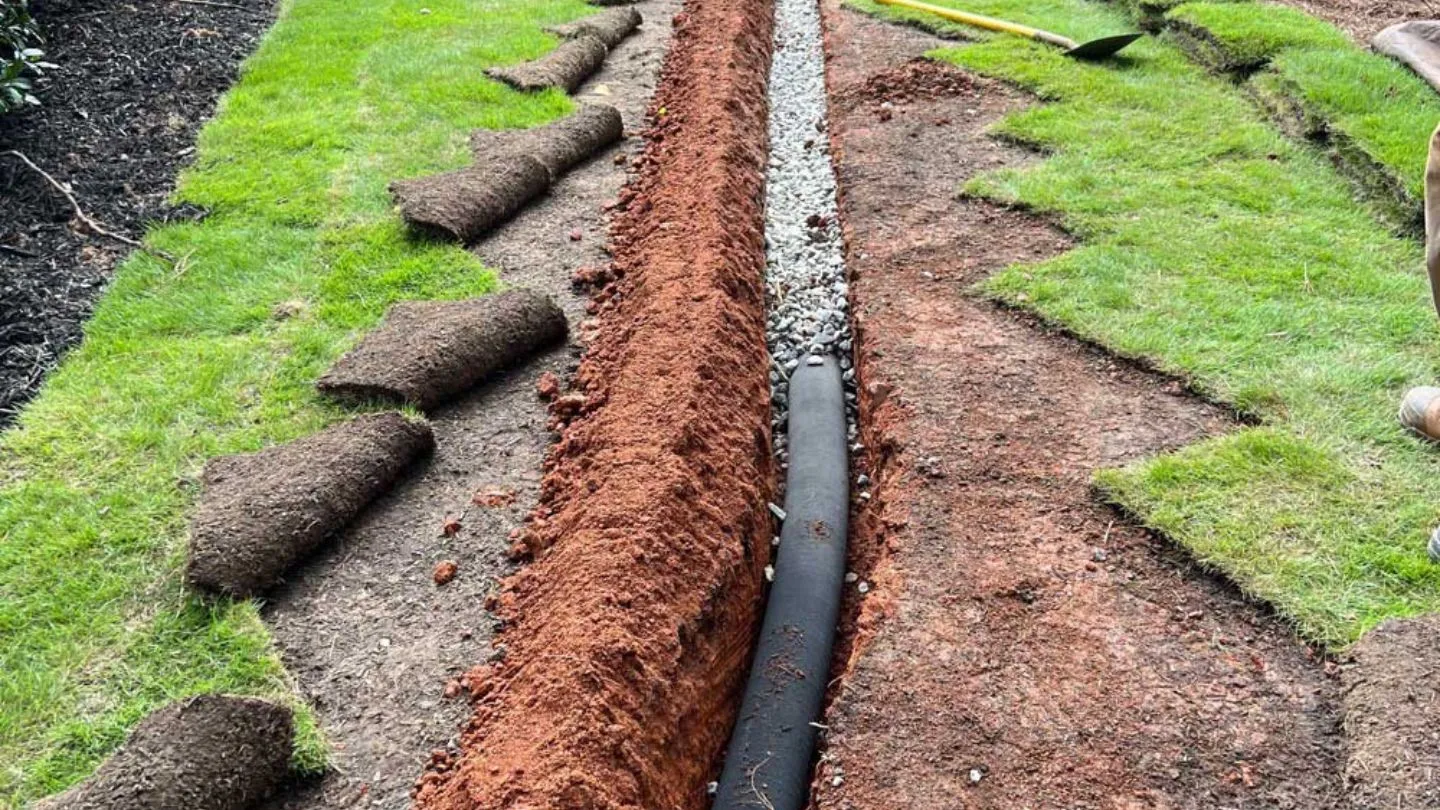
French drain trench with perforated pipe and gravel bedding beside a Fort Worth lawn

Foundation problems and drainage problems are frequently the same problem wearing two different faces. Expansive clay soil that gets uneven water exposure β€” more moisture on one side of the house than another, water pooling near the foundation instead of draining away, gutters dumping runoff right next to the slab β€” moves unevenly as a direct result, and that uneven movement is what causes the structural symptoms homeowners actually notice.

We evaluate drainage and grading as a standard part of any foundation inspection where water flow looks like a contributing factor, not as a separate upsell. Correcting the problem might mean regrading soil to slope away from the foundation, extending downspouts further from the house, or installing French drains to intercept and redirect groundwater before it reaches the foundation zone.

Addressing drainage alongside pier installation matters because piers alone stabilize the structure against the movement that's already happened β€” they don't stop the underlying soil moisture cycle from continuing to put stress on the parts of the foundation that weren't piered. Fixing both together is what actually keeps a repaired foundation from needing more work down the line.

πŸ“ž Call 888-619-6082

Request This Service

* Indicates required field

Why Drainage Work Often Accompanies Pier Installation

Piers address existing settlement by transferring load to stable soil, but they don't change how water moves around the rest of the foundation. If poor drainage caused the original movement, it will keep affecting the un-piered portions of the foundation unless it's corrected β€” which is why we flag drainage as part of nearly every foundation repair estimate where it's a factor.

How French Drain Installation Works

We start by mapping how water actually moves across your property during a rain event β€” where it pools, which direction slopes run, and where downspouts and hardscaping are directing runoff β€” rather than assuming the low spot you've noticed is the whole picture. A French drain trench is excavated along the path that intercepts water before it reaches the foundation, sloped consistently toward a discharge point so water keeps moving rather than sitting in the pipe. Perforated pipe is bedded in gravel and wrapped in filter fabric to keep soil from clogging the perforations over time, then backfilled and finished to blend with the surrounding landscaping. Discharge is routed to a location well away from the foundation β€” a storm drain connection, a daylight discharge point, or a pop-up emitter in the yard β€” so the water the drain collects doesn't just resurface next to the house.

What Goes Into a Proper Drain System

Perforated PVC or corrugated pipe forms the core of the system, sized to the volume of water the drainage plan needs to move rather than a one-size pipe for every yard. Washed gravel around the pipe, wrapped in geotextile filter fabric, lets water in while keeping fine soil particles from migrating into the pipe and clogging it β€” skipping the fabric is a common shortcut that leads to a French drain silting up within a few years. Discharge fittings, pop-up emitters, or a connection to an existing storm system finish the installation, and grading at the surface above the trench is restored to shed water properly rather than leaving a low spot that undoes the drain's purpose.

Signs Your Property Has a Drainage Problem

Water pooling near the foundation for hours or days after rain, visible erosion or bare soil channels running toward the house, and a crawl space or basement wall that stays damp longer than the rest of the property are the most direct signs. Grass that grows differently in a strip near the foundation β€” either unusually lush from extra moisture or patchy from standing water β€” is a subtler indicator worth noting. If you've also noticed foundation symptoms like sticking doors or new cracking on the same side of the house where drainage looks worst, that's not a coincidence worth ignoring, since uneven water exposure is one of the most common drivers of uneven foundation movement.

French Drains vs. Regrading vs. Downspout Extensions

Downspout extensions are the simplest fix, moving roof runoff further from the foundation, and they're often enough when gutters dumping water right at the foundation are the main problem. Regrading reshapes the soil slope around the house to direct surface water away naturally, which addresses broader grading issues that extensions alone can't fix. French drains go a step further, intercepting and redirecting subsurface and surface water along a specific path, and they're the right call when water is coming from a wider area or a higher water table rather than just roof runoff. We recommend the least invasive fix that actually solves the problem rather than defaulting to a full French drain system when a simpler correction would do the job.

What Affects Drainage Correction Cost

Linear footage of drain needed and trench depth are the primary cost factors, along with how far the discharge point is from where water needs to be collected. Existing landscaping, hardscaping, or utility lines along the planned trench route can add complexity and labor time. Whether the fix is a simple downspout extension, a regrading job, or a full French drain system changes the scope dramatically, which is why we assess the actual drainage pattern before quoting rather than pricing every job as if it needs the most extensive fix.

Warranty on Drainage Work

Drainage corrections we install come with a written warranty against installation defects, and we're insured for the work performed. Because drainage problems and foundation problems are so often connected, we track drainage work as part of the same property record as any foundation repair, so if foundation symptoms show up later in an area we've already corrected for drainage, we have a clear picture of what's already been addressed versus what's a new issue.

When to Schedule Drainage Work

Drainage correction can technically happen year-round, but timing it before the heavier spring rain season gives a new French drain or regrading job a real test not long after installation, which is useful for confirming it's performing as designed while conditions are still fresh in your mind. Installing during a drier stretch also makes excavation cleaner and faster, since digging through saturated clay soil is slower and messier than working in drier ground. That said, if standing water or active foundation symptoms are showing up right now, we don't recommend waiting for ideal weather β€” a drainage problem actively feeding foundation movement is worth addressing on the timeline the situation calls for, not the calendar's.

Areas We Serve

Proudly providing foundation repair across the region:

Get Drainage & French Drain Installation in Fort Worth Today

Fast response, upfront pricing, and friendly local pros. Call now for a free quote.

πŸ“ž Call 888-619-6082