πŸ“ž Call for a Free Quote: 888-619-6082

Foundation Crack Repair in Fort Worth, TX

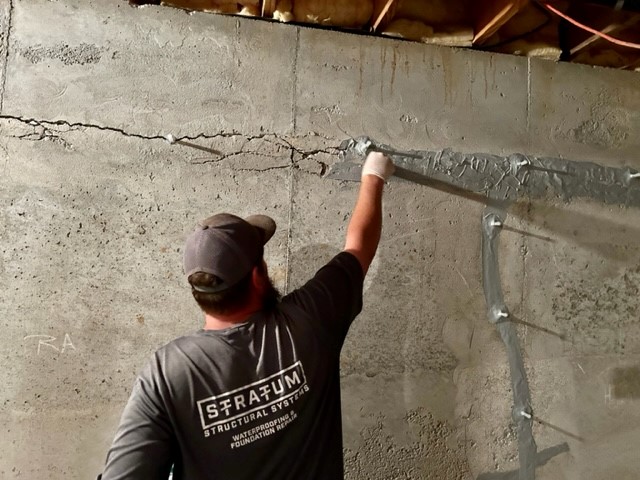
Technician repairing a foundation crack with structural repair material in Fort Worth

Not every foundation crack means the foundation needs piers β€” some cracking is cosmetic, related to normal concrete curing or minor surface shrinkage, while other cracks are a sign of active structural movement that needs to be addressed at the source. Figuring out which kind you're looking at is the first step, since sealing a crack without addressing underlying settlement just delays visible symptoms without fixing the actual cause.

For cracks that are genuinely cosmetic or stable, we seal them to stop water intrusion, which matters because water working into a crack accelerates further deterioration and, in a freeze or through repeated wet-dry cycles, can widen a stable crack into a real problem over time. For cracks that indicate active settlement, we address the crack as part of the broader structural repair β€” piers and leveling β€” rather than treating the crack in isolation.

Our inspection includes assessing crack width, direction, and pattern (horizontal versus diagonal versus stepped, for instance) since these details tell us a lot about whether we're looking at a cosmetic issue or a structural one before we recommend a scope of work.

πŸ“ž Call 888-619-6082

Request This Service

* Indicates required field

Cosmetic vs. Structural Cracks

Thin, vertical, stable cracks are often cosmetic. Diagonal cracks stepping through brick or block, horizontal cracks in a foundation wall, or cracks that are actively widening are more likely to indicate structural movement that needs a broader repair, not just sealant.

How We Repair a Foundation Crack

For a crack that's assessed as cosmetic or structurally stable, repair typically means injecting a sealant along the full length of the crack, from the outside and sometimes the inside as well, so water can't work its way in through the full depth of the concrete. Surface prep matters here β€” cleaning debris and old sealant out of the crack and roughing the surface slightly gives the injected material something to properly bond to, rather than just skinning over the visible opening. For cracks in a foundation wall or a slab edge exposed to the elements, we also address the exterior surface finish so the repair holds up against weather rather than just solving the water intrusion problem underground. The whole process for a single crack is usually a same-day repair, though we monitor the area afterward as part of the warranty.

Epoxy vs. Polyurethane Crack Injection

Epoxy injection creates a rigid bond, essentially welding the two sides of the crack back together structurally, which makes it the right choice for cracks that are stable and where restoring some structural continuity to the concrete matters. Polyurethane injection stays flexible after curing, which makes it better suited to cracks that see minor ongoing movement β€” seasonal expansion and contraction β€” since a rigid epoxy repair on a crack that keeps moving slightly can eventually re-crack at the same location. We choose the material based on what the crack is actually doing, not a single default injection product for every job.

Measuring and Monitoring a Crack Over Time

Crack width, measured with a simple crack gauge, gives us a baseline to compare against on a return visit β€” hairline cracks under about 1/16 inch are commonly cosmetic, while wider or actively growing cracks warrant more attention. Direction matters as much as width: a crack running mostly vertical tends to be less concerning than one running diagonally or stepping through masonry joints, since the stepped pattern usually reflects differential settlement rather than simple concrete shrinkage. For cracks we're not confident are stable at the first visit, we sometimes recommend placing a small monitoring marker across the crack and checking it again in a few months rather than guessing at whether it's actively widening.

When Crack Sealing Alone Isn't Enough

A crack that's actively widening, accompanied by other settlement signs like sticking doors or sloping floors, or that keeps reopening after a prior sealant repair is telling you the crack is a symptom of ongoing structural movement, not the actual problem. In that situation, sealing the crack without addressing the settlement driving it just delays the visible symptom while the underlying cause keeps working. We fold crack repair into the broader structural scope β€” piers, leveling, drainage correction β€” when that's what the assessment actually shows, rather than selling a quick crack seal on a foundation that needs real structural attention.

What Affects the Cost of Crack Repair

Crack length and whether it needs to be sealed from both the interior and exterior are the main cost factors for a straightforward cosmetic repair. Access β€” a crack in an easily reached foundation wall versus one behind finished interior space or landscaping β€” affects labor time. If the inspection shows the crack is tied to active settlement, cost shifts to reflect the broader structural scope rather than a simple sealing job, which is why we're upfront during inspection about which category your repair actually falls into before quoting.

Warranty and What Homeowners Often Get Wrong

Crack repairs we perform on cosmetic, stable cracks come with a written warranty against the repaired section reopening from the same cause. A common misconception we run into is assuming a wide crack is automatically worse than a hairline one regardless of direction or pattern β€” in reality, a thin but actively growing diagonal crack can be more concerning than a wider but stable vertical one. Another is assuming that once a crack is sealed, the underlying condition is fixed; sealing stops water intrusion, but it doesn't correct settlement if settlement is actually present. We explain which situation applies to your specific crack rather than letting either assumption drive the wrong expectation. Texas doesn't license foundation repair contractors as a distinct trade, so ask any company doing crack injection work for proof of general liability insurance before they start β€” a legitimate repair shouldn't come with any hesitation about producing it.

Licensing and Insurance on Crack Repair Work

Even a straightforward crack repair is still structural work performed at the foundation, so we carry the same general liability insurance on a single-crack job as we do on a full pier installation. For a crack that turns out to be tied to active settlement rather than a cosmetic issue, we loop in the same engineer-review process we use on larger structural jobs before finalizing a repair plan, rather than treating a crack repair as a lesser category of work that doesn't warrant that scrutiny. We'll also tell you plainly if a crack you're worried about turns out to need nothing more than monitoring β€” not every call needs to end in a paid repair.

Areas We Serve

Proudly providing foundation repair across the region:

Get Foundation Crack Repair in Fort Worth Today

Fast response, upfront pricing, and friendly local pros. Call now for a free quote.

πŸ“ž Call 888-619-6082