πŸ“ž Call for a Free Quote: 888-619-6082

Foundation Leveling in Fort Worth, TX

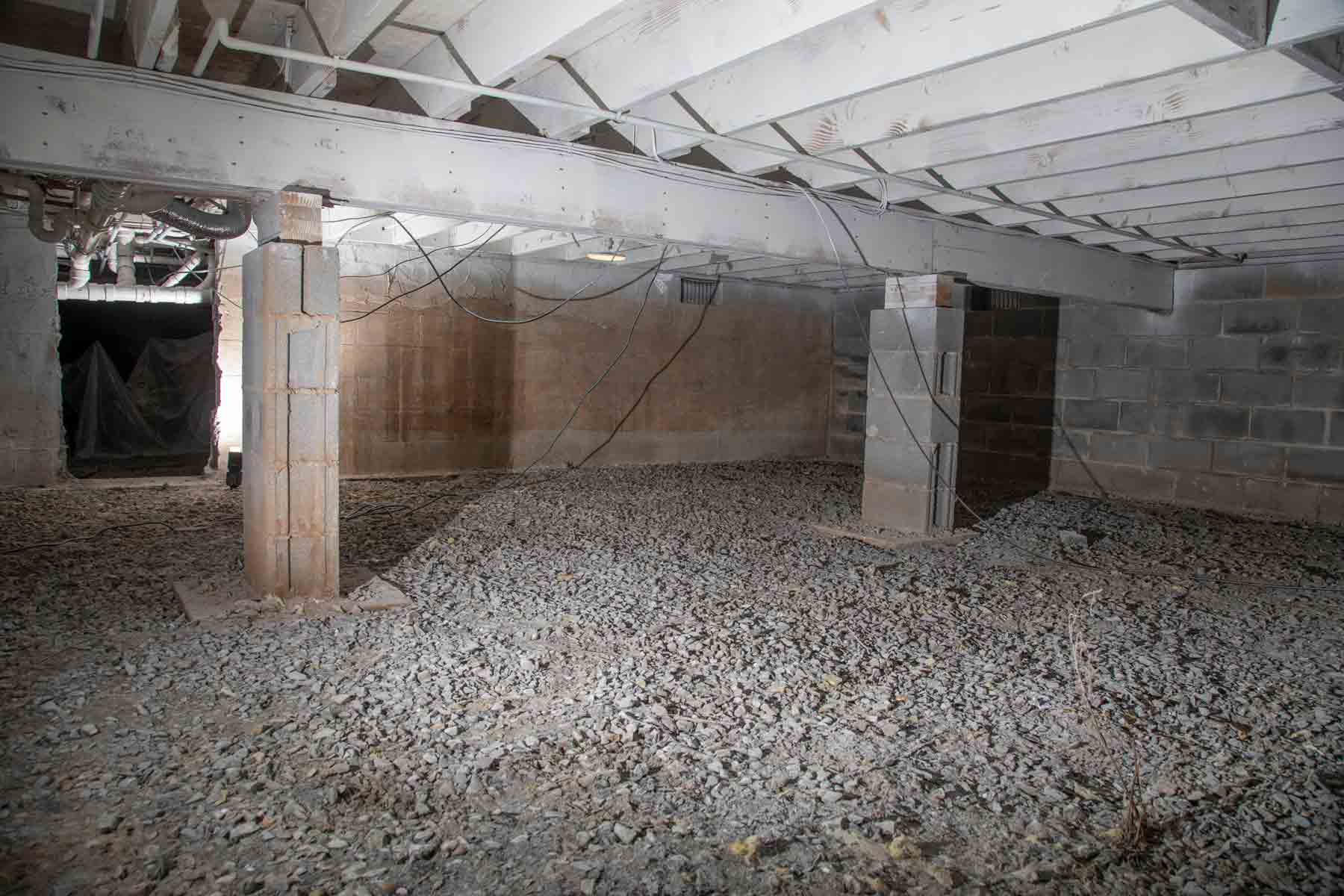
Foundation leveling crew installing support piers at a Fort Worth foundation corner

Foundation leveling addresses the uneven settlement that shows up as sloping floors, doors that swing open or shut on their own, and gaps between walls and ceilings or floors. Elevation measurements across the slab or pier and beam system identify exactly how much the foundation has moved and in which direction, which determines how much lift is needed at each pier location to bring the structure back toward level.

We don't treat "perfectly level" as the automatic goal on every job. For foundations with long-standing settlement, aggressive releveling can sometimes stress finishes, plumbing, or framing that has settled and adjusted around the existing position over years, occasionally causing new cosmetic issues in the process of correcting the old ones. We target a realistic, structurally sound level that addresses the actual problem β€” safety, functionality, drainage β€” without chasing a textbook-perfect result that isn't worth the tradeoffs on an older structure.

After piers are set and lift is complete, we monitor the foundation to confirm it's holding at the corrected elevation before considering the job finished.

πŸ“ž Call 888-619-6082

Request This Service

* Indicates required field

How Much Lift Is Actually Needed

We base lift targets on elevation surveys and structural assessment, not a blanket goal of dead-level everywhere. Enough correction to eliminate functional problems β€” doors and windows that work properly, floors that don't visibly slope, drainage that flows correctly β€” is often the right target rather than maximum possible lift.

How the Releveling Process Works

Releveling starts with the same elevation survey used in any foundation assessment β€” mapping high and low points across the slab or pier and beam system to build an accurate picture of exactly how the structure has moved. That data becomes a lift plan, showing how much correction is needed at each pier location to bring the structure back toward a target elevation, which is rarely a flat number applied evenly across the whole foundation since settlement is almost never uniform. Lift is then applied gradually and in a coordinated sequence across multiple points rather than jacking one area up in isolation, since uneven lifting can introduce new stress even while correcting old settlement. We recheck elevation readings throughout the process and adjust the sequence in real time based on how the structure is actually responding.

Tools and Techniques Behind the Lift

On slab foundations, hydraulic jacks connected to the piers themselves provide the lifting force, with the pier's bearing capacity supporting the new elevation once the lift is complete and the jack is released. Pier and beam foundations use adjustable steel jack posts under the beams, which let us dial in elevation at each individual support point and, importantly, allow for future fine-tuning if a specific area needs a small adjustment down the road without redoing the whole system. We monitor elevation with a laser or zip level throughout, not just at the start and end, since the goal is a controlled, even correction rather than a single big push at any one point.

Signs Your Foundation Needs Releveling

Doors that swing open or shut on their own without being touched, visibly sloping floors you can feel while walking or see with a marble rolled across the room, and growing gaps between walls and ceiling trim are the clearest everyday signs. Cabinet doors or drawers that no longer sit flush, and windows that have become difficult to open or close, often show up around the same time. These signs tend to develop gradually, which is part of why homeowners often live with them for months or years before connecting the dots to foundation movement rather than assuming the house has just "settled" as older homes do.

How Leveling Relates to Pier Installation

Releveling and pier installation are closely connected but not identical: piers provide the structural support the foundation is lifted against, while leveling is the process of using that support to bring the structure back toward a corrected elevation. In some cases, existing piers from a prior repair can be re-adjusted to correct elevation without installing new piers at all, particularly with adjustable jack post systems under a pier and beam foundation. In other cases, new piers are required first because the existing support system wasn't adequate for the load or has failed outright. We assess which situation you're actually in before recommending a scope, rather than assuming new piers are always required to achieve a lift.

What Affects the Cost of Foundation Leveling

How much correction is needed, and at how many separate points, drives most of the cost β€” a foundation with a single low corner needs far less work than one with settlement running unevenly across multiple sides. Whether new piers need to be installed to support the lift, versus adjusting existing support, is another major factor. Interior access for pier and beam adjustable jacks, and exterior access for slab pier connections, both affect labor time. We provide the specific numbers for your foundation after the elevation survey rather than a generic per-square-foot estimate that doesn't reflect how uneven your particular settlement pattern actually is.

Warranty and Post-Lift Monitoring

Structural leveling work performed alongside pier installation carries our written, transferable warranty. After the lift is complete, we recommend monitoring the corrected elevation over the following months, particularly through a seasonal wet-to-dry transition, since that's when a foundation's response to correction becomes most apparent. If elevation shifts outside expected tolerances during the warranty period, that's exactly the situation the warranty is there to cover, and it's part of why we document post-lift elevation readings as a baseline for comparison rather than just closing the job out without a record.

What to Expect the Day We Relevel Your Foundation

Releveling is noisier and more noticeable from inside the house than a standard pier installation, since you may feel doors and floors shift subtly as elevation changes throughout the day β€” that's expected and part of confirming the lift is happening evenly rather than something going wrong. We recommend securing fragile items on shelves and being aware that plumbing connections, especially on a slab foundation, can occasionally need minor adjustment after a significant lift, which we check for as part of the process. Most homeowners are able to remain in the house during releveling, since the work happens at the foundation perimeter or in the crawl space rather than inside living areas, though we'll flag in advance any specific day where that wouldn't be practical for a particular scope.

Areas We Serve

Proudly providing foundation repair across the region:

Get Foundation Leveling in Fort Worth Today

Fast response, upfront pricing, and friendly local pros. Call now for a free quote.

πŸ“ž Call 888-619-6082