πŸ“ž Call for a Free Quote: 888-619-6082

Pier and Beam Foundation Repair in Fort Worth, TX

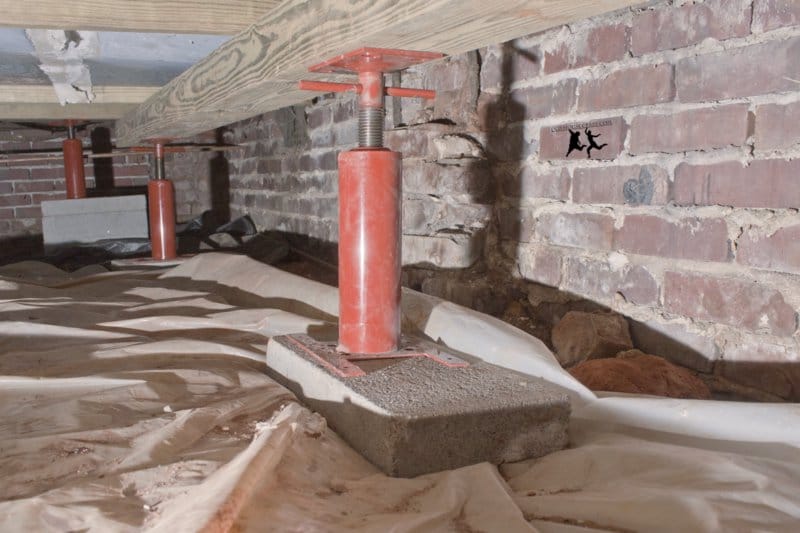
Pier and beam foundation repair with adjustable steel jack supporting floor joist in a Fort Worth crawl space

Pier and beam foundations are common in Fort Worth's older, established neighborhoods β€” the TCU district, Fairmount, Arlington Heights, and other areas built up before slab-on-grade became the standard. These foundations sit on a system of piers and wood beams with a crawl space underneath, which fails differently than a slab: sagging or bouncy floors, gaps between walls and floors, and wood rot or moisture damage in the crawl space itself are more common complaints than the diagonal cracking typical of slab settlement.

Our pier and beam repair addresses both the structural piers themselves β€” which can settle, rot at the base, or simply have been undersized for the load when the home was originally built β€” and the wood framing and beams they support, since moisture damage in a Fort Worth crawl space is common enough that structural wood repair is frequently part of the same job. We assess the crawl space directly rather than working from floor-level symptoms alone, since a lot of pier and beam problems are only fully visible from underneath the house.

For homes with persistent moisture issues driving the wood damage, we address the underlying moisture source β€” grading, drainage, or vapor barrier work β€” as part of the repair, since replacing rotted framing without fixing what's causing the rot is a short-term fix.

πŸ“ž Call 888-619-6082

Request This Service

* Indicates required field

Common in Fort Worth's Older Neighborhoods

Homes built before slab construction became standard, particularly in and around the TCU district, Fairmount, and Arlington Heights, are more likely to have pier and beam foundations. If your home was built before the mid-20th century in one of Fort Worth's established core neighborhoods, pier and beam is a reasonable first assumption worth confirming.

Crawl Space Moisture and Wood Rot

A pier and beam crawl space with poor ventilation or drainage tends to hold moisture, and sustained moisture exposure leads to wood rot in the beams and floor joists over time. We check for this directly during inspection since it's often the actual driver behind floor sagging, not just pier settlement on its own.

How We Repair Piers and Beams Step by Step

Repair starts with getting under the house β€” a full crawl space walk-through with a flashlight and a probe for soft or rotted wood, checking every original pier and beam segment rather than just the area under the worst-sagging floor. Where an original pier has settled, rotted at the base, or was simply undersized for the load, we install new steel or concrete piers alongside it to pick up the load properly. Damaged floor joists or beams get sistered with new lumber or replaced outright where rot has gone too far to reinforce, and adjustable steel jacks let us fine-tune floor elevation at each support point rather than guessing at a single global lift. We check elevation readings from inside the house as we adjust supports underneath it, so the correction matches what you're actually feeling in the floors above. The whole process typically wraps in a few days for a standard residential crawl space, longer if extensive wood replacement is involved.

Materials We Use Under the House

Original pier and beam construction in Fort Worth's older neighborhoods often used brick or concrete block piers and untreated or minimally treated lumber, both of which degrade over decades of crawl space moisture exposure. When we replace failed piers, we use steel or concrete systems rated for the specific load they're carrying rather than matching the original brick pier construction, since that original method is part of why the foundation is failing now. Replacement framing uses pressure-treated lumber sized to current structural standards, and adjustable steel jack posts let a support point be re-leveled in the future without pulling everything apart again. We also install or replace foundation vents and, where moisture is a driving factor, recommend a vapor barrier as part of the same visit rather than treating rot repair and moisture control as separate projects.

What Affects the Cost of Pier and Beam Repair

How many original piers need replacing or supplementing is the primary cost driver, and that number depends on how much settlement and wood damage we find once we're actually under the house β€” which is one reason an accurate quote requires a crawl space inspection, not just a floor-level walk-through. The extent of wood rot matters too: replacing a single joist section costs a lot less than sistering or replacing beams across a large area of the crawl space. Access affects labor time as well, since some older Fort Worth crawl spaces have limited clearance or were built up against additions that block easy entry. If moisture correction β€” grading, drainage, or a vapor barrier β€” is part of the recommended scope, that's itemized separately so you can see what's addressing the structural damage versus what's addressing why the damage happened.

Warranty and Engineer Oversight on Older Homes

Structural pier and beam repairs come with the same written, transferable warranty we provide on slab repairs, which matters for resale given how many buyers in Fort Worth's historic neighborhoods specifically ask about foundation history before closing. For larger scopes β€” significant pier replacement or structural beam work β€” we coordinate with an independent, licensed Texas structural engineer to review the repair plan, since a pier and beam system that's been settling for decades sometimes needs more engineering judgment than a straightforward add-a-pier job. We're insured for the work, and we document existing conditions with photos before we start, both so you have a record and so there's no ambiguity later about what condition the crawl space was in before we touched it.

How Pier and Beam Repair Differs From Slab Repair

Slab repair is almost entirely about foundation elevation β€” piers go in around and sometimes under the slab itself, and there's no accessible structure between the piers and the concrete you're standing on. Pier and beam repair works on an entirely separate structural layer: a system of piers, beams, and floor joists that sits below the living space, which means the repair addresses both foundation-level settlement and the condition of the wood framing it supports. That's also why pier and beam problems show up differently β€” sagging or bouncy floors and squeaks rather than the diagonal cracking typical of slab settlement β€” and why a proper pier and beam inspection has to happen from underneath the house rather than from the symptoms you can see at floor level alone.

Pier and Beam Foundation Repair FAQs

Do I need to move out of my house during pier and beam repair?

No. The work happens in the crawl space and around the foundation perimeter, not inside your living space, so pier and beam repair doesn't require vacating the home.

How can I tell if my pier and beam foundation has wood rot without going under the house myself?

Soft or spongy spots in the floor, a musty smell near exterior walls, and visible sagging along one side of the house are common above-floor signs. Confirming it requires a direct crawl space inspection, which is part of our standard process rather than something we assess from floor-level symptoms alone.

Can a pier and beam foundation be converted to a slab?

It's technically possible but rarely worth the cost or disruption compared to properly shoring up and repairing the existing pier and beam system, which is what we recommend in the large majority of cases.

Areas We Serve

Proudly providing foundation repair across the region:

Get Pier and Beam Foundation Repair in Fort Worth Today

Fast response, upfront pricing, and friendly local pros. Call now for a free quote.

πŸ“ž Call 888-619-6082