πŸ“ž Call for a Free Quote: 888-619-6082

Slab Foundation Repair in Fort Worth, TX

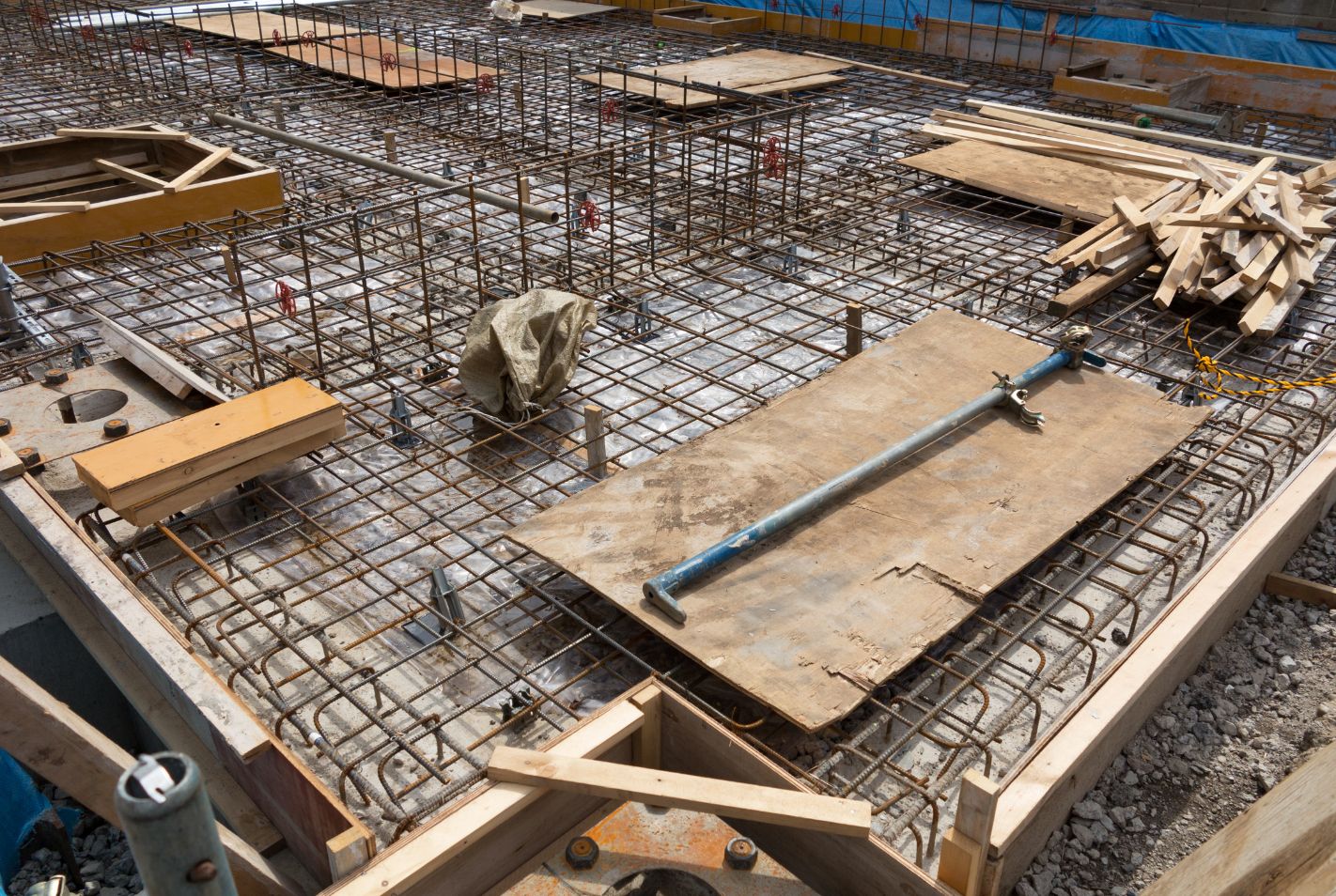
New slab foundation under construction with rebar grid and plumbing stub-outs, Fort Worth TX

Slab foundations are the most common foundation type in Fort Worth's newer construction, and when they settle unevenly on expansive clay soil, the result is the classic warning signs homeowners recognize β€” diagonal cracks stepping up from door and window corners, doors and windows that stick or won't latch, sloping floors, and sometimes visible separation between the slab and exterior brick veneer.

Our slab repair process starts with identifying exactly where and how much the foundation has settled, using elevation measurements across the slab rather than relying on visible cracks alone, since a slab can settle significantly before cracking becomes obvious. From there, we install piers β€” steel push piers, helical piers, or concrete pressed piers depending on soil conditions and load requirements β€” at the specific points needed to stabilize and, where possible, lift the foundation back toward its original elevation.

We don't recommend lifting a slab back to perfectly level in every case β€” for older homes or foundations with significant existing settlement, an aggressive lift can sometimes cause more cosmetic damage than it fixes. We're upfront about what's structurally necessary versus what's a judgment call, and we let you make that call with full information.

πŸ“ž Call 888-619-6082

Request This Service

* Indicates required field

Signs Your Slab Foundation Is Settling

Diagonal cracks at door and window corners, doors that stick or won't close properly, visibly sloping floors, gaps between the slab and brick veneer, and cracks in exterior brick or stucco that step in a stair pattern are the most common indicators. Hairline cracks in a slab itself are often cosmetic, but a pattern of these signs together usually points to real structural movement worth having assessed.

Choosing the Right Pier System

Steel push piers are driven to load-bearing strata and work well for heavier structures. Helical piers are screwed into the soil and are often preferred where vibration needs to be minimized near existing structures. Concrete pressed piers are a lower-cost option that can work well in certain soil conditions but generally require more piers to distribute the same load. We recommend based on your soil report and structural needs, not a single default system.

What Happens During a Slab Foundation Inspection

We start every slab inspection with a relative elevation survey, using a zip level or laser level to map high and low points across the entire slab rather than eyeballing the parts that look obviously off. That elevation data gets recorded on a floor plan sketch so you can see the actual pattern of settlement β€” a single low corner points to a very different repair scope than settlement running the length of one wall. We pair the elevation survey with a walk-through noting crack locations, door and window function, and any exterior grading issues that might be feeding water toward the problem area. Soil conditions matter too, so we factor in what we know about clay depth and drainage in your specific neighborhood before recommending a pier count or type. All of this happens before we write a number down β€” we'd rather spend extra time diagnosing correctly than guess and adjust later.

What to Expect on Installation Day

Pier installation starts with access β€” small excavations at each pier location around the slab's perimeter, either from the exterior or occasionally through an interior slab cut when a pier needs to sit under a load-bearing interior wall. Piers are driven or pressed to bearing depth one at a time, with brackets attached to the foundation footing before hydraulic jacks apply lift where the elevation survey shows it's needed. We work pier by pier rather than trying to lift the whole structure at once, checking elevation readings as we go so the lift stays controlled and even. Once every pier is set and locked off, access holes are backfilled and patched, and we walk the property with you to review the finished elevation numbers against where we started. Most single-story homes with a typical pier count wrap up within a few days, weather and access permitting.

What Drives the Cost of Slab Repair

The number of piers needed is the biggest cost factor, and that number comes directly from the elevation survey and load calculations, not a flat per-house rate. Depth to stable bearing soil matters too β€” some Fort Worth lots reach competent strata at a modest depth, while others need piers driven considerably deeper, which adds material and labor. Access also plays a role: piers installed under a covered porch, through landscaping, or near underground utilities take longer than open perimeter access. Finally, if the inspection turns up a drainage issue feeding the settlement, correcting that alongside the pier work adds to the scope but usually saves you from paying for the same repair again in a few years. We break every one of these line items out in the written quote so you can see exactly what you're paying for and why.

Licensing, Insurance & Engineer-Backed Repair Plans

Foundation repair in Texas isn't a licensed trade the way electrical or plumbing work is, which unfortunately makes it easy for undertrained crews to install piers with no real engineering behind the placement. We carry general liability insurance and worker's compensation coverage, and for jobs where the scope calls for it, we bring in an independent, licensed Texas structural engineer to review pier placement and sign off on the repair plan rather than relying on field judgment alone. That matters specifically because of expansive clay soil β€” a pier plan that works fine in sandy or stable soil elsewhere in the country can under-perform here if it wasn't sized for how much this ground actually swells and shrinks. Every structural repair we install comes with a written warranty, and we can provide proof of insurance and, where applicable, the engineer's stamped documentation on request.

Common Misconceptions About Slab Repair

A lot of homeowners assume any visible crack means the whole slab is failing, when in reality plenty of slab cracking is cosmetic and unrelated to structural settlement β€” which is exactly why we run an elevation survey instead of quoting off crack photos. Another common assumption is that pier repair should always bring a slab back to perfectly level; for a foundation that's been settled for years, chasing dead-level can stress finishes and framing that have already adjusted to the current position. Some homeowners also assume every foundation company uses the same pier system, when steel, helical, and concrete pressed piers each fit different soil and load situations, and the honest answer for your slab may not be whatever a competitor's salesperson leads with. We'd rather walk you through these distinctions during the free inspection than let a misconception drive the wrong repair decision.

Slab Foundation Repair FAQs

How much does slab foundation repair cost in Fort Worth?

It depends on how many piers are needed, how deep they have to go, and whether drainage correction is part of the scope. We don't quote sight-unseen over the phone β€” every job gets a free inspection with elevation measurements first, then a written, itemized quote based on what your specific slab actually needs.

Will piering my slab damage my flooring or interior finishes?

Access points are cut into the slab or exterior at each pier location and patched afterward, and lifting a settled slab can occasionally stress tile grout lines or drywall seams that have already adjusted to the settled position. We flag that risk during the inspection so it's not a surprise, and we patch structural access points as a standard part of the job.

How long does a typical slab foundation repair take?

A single-story home with a moderate number of piers is usually finished within a few days. Larger foundations, heavier settlement, or jobs that combine piering with drainage work take longer. We give you a project-specific timeline at inspection rather than a generic estimate.

Areas We Serve

Proudly providing foundation repair across the region:

Get Slab Foundation Repair in Fort Worth Today

Fast response, upfront pricing, and friendly local pros. Call now for a free quote.

πŸ“ž Call 888-619-6082